

A diamond pendant is one of those pieces that gets worn far more often than an engagement ring or a pair of statement earrings, so the choice matters more than it looks like it should. It sits close to the collarbone, it shows in nearly every photo, and it usually has to work with a dozen different necklines before you have even had your morning coffee. Between pendant styles, diamond quality, chain length, and the natural-versus-lab-grown question, it is easy to end up picking based on the prettiest photo instead of the piece that will actually earn its place in daily rotation.
This guide walks through the decisions that matter, in the order most people actually run into them.
Choose the Pendant Style First
Before carat weight or metal color, start with shape and setting, since that decides how the pendant reads from across a room versus up close.
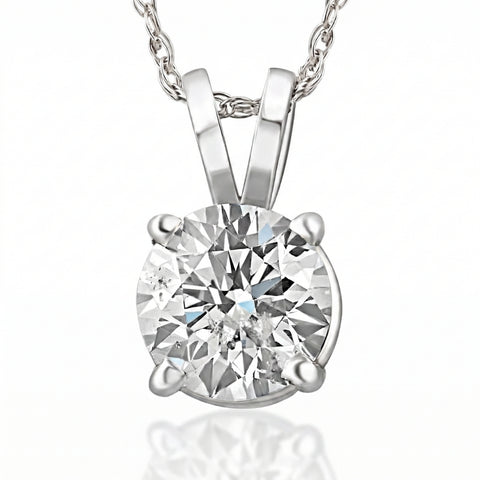
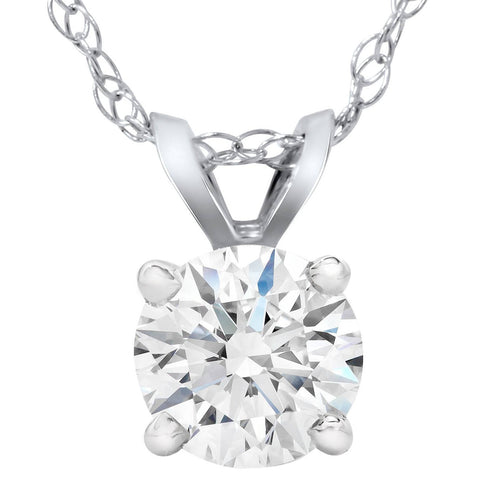
- Solitaire pendants: A single diamond, usually in a prong or bezel setting, worn on its own or with a solitaire earring set to match. This is the style most people picture when they think "diamond necklace," and it tends to be the most versatile with different necklines.
- Halo pendants: A center diamond surrounded by a ring of smaller accent diamonds. The halo adds visual size and sparkle without necessarily adding much carat weight, which is worth knowing if budget is a factor.
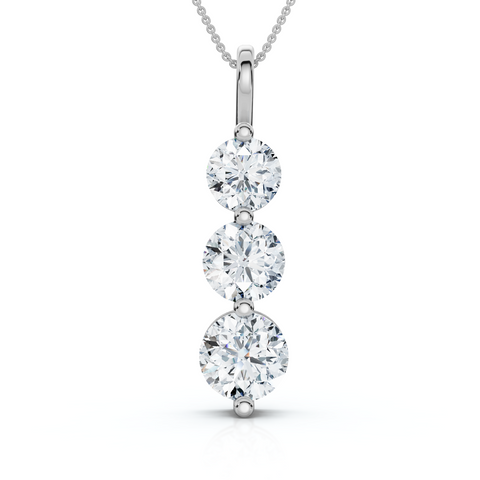
- Three stone pendants: Three diamonds set in a row, often used to represent past, present, and future, or simply chosen for the extra sparkle of multiple stones.
- Heart shape pendants: Either a heart-shaped diamond or a heart-shaped setting. A more sentimental, gift-driven choice than an everyday layering piece for most buyers.
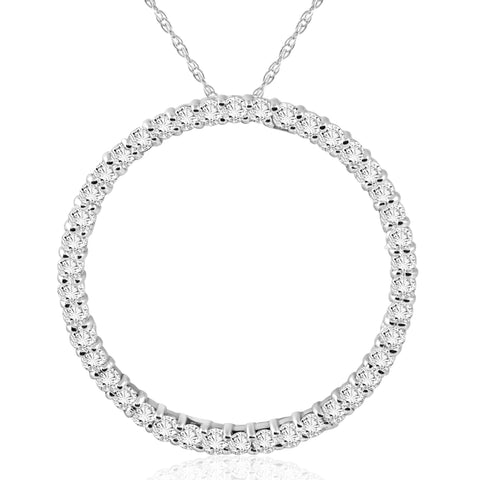
- Circle pendants: Diamonds set into a circular or "circle of life" motif, popular for anniversaries and milestone gifts.
There are also specialty designs worth knowing about, like cross pendants and journey pendants (a graduated line of diamonds meant to represent a path or milestone), which show up often in the Bliss Diamond pendant collection alongside the classic shapes above.
Think About Diamond Quality the Way You Will Actually See It
A pendant diamond is usually viewed at conversation distance rather than under close magnification, so quality priorities shift slightly compared to, say, a large center-stone ring:
- Cut has the biggest effect on how much a pendant catches the light as you move, so it is worth prioritizing over chasing the highest possible clarity grade.
- Color in the near-colorless range (roughly G-H and up) typically looks bright and clean in pendant settings, especially in white gold or platinum.
- Clarity inclusions that would bother you in a large solitaire ring are often invisible at pendant size, so there is real room to save here without a visible tradeoff.
- Carat weight on a pendant is a single number, not a total-weight figure split across two earrings, so compare listings carefully if you are used to shopping for studs.
If you are deciding between two pendants at a similar price, a better cut on a slightly smaller stone will usually outshine a larger, poorly cut diamond in daily wear.
Metal and Chain Length Matter More Than People Expect
The metal changes both the look and the maintenance:
- 14k gold (white, yellow, or rose) is the most common choice for everyday pendants and holds up well to daily wear.
- White gold has a bright, silvery finish but will need occasional rhodium replating over time to keep that finish looking crisp.
- Platinum is naturally white, more durable, and typically comes at a higher price point than gold.
For chain length, 18 inches is the most common length paired with diamond pendants and sits at or just below the collarbone for most people, which is why it shows up so frequently across pendant listings. If you tend to layer necklaces or wear high necklines, a slightly longer chain is worth considering so the pendant does not get lost.
Natural vs. Lab-Grown Diamond Pendants
Bliss Diamond offers both natural and lab-grown diamonds across its pendant collection, and neither is a compromise, they are simply different starting points for the same stone. Lab-grown diamonds are chemically, physically, and optically identical to natural diamonds, which is why they are graded on the same cut, color, and clarity scale. The practical difference for most shoppers comes down to price per carat: a lab-grown diamond generally allows for a larger or higher-quality stone at a given budget.
Whichever you choose, check the product listing carefully. It will specify whether the stone is natural or lab-grown, and listings with "Certified" in the title include a gemological laboratory certificate, most commonly from IGI. If a certificate matters to you (for insurance, resale, or simple peace of mind) look for that in the title before adding to cart rather than assuming it afterward.
What Bliss Diamond Verifies Before a Pendant Ships
A few things are worth knowing about how these pieces are made and checked, since they affect what you are actually buying:
- Most pendants are handcrafted and made to order rather than pulled from mass-produced stock, which is part of why production time is listed on each product page.
- Every diamond sold is inspected and appraised by a certified gemologist and appraiser before it goes out.
- Diamonds are graded by an in-house diamond team; grading can vary slightly between jewelers and labs, which is exactly why the certified listings exist for buyers who want that documented.
- Every order ships in a gift box that gives no indication of what is inside, which is worth knowing if the pendant is a surprise.
A Quick Buying Checklist
Before you check out, run through this:
- Does the pendant style suit the necklines you actually wear, not just the photo you liked?
- Is the carat weight listed for the pendant alone, not confused with a matching earring set?
- Is the diamond natural or lab-grown, and does that match what you are expecting to pay for?
- Does the listing mention certification, and does that matter for your purchase?
- Is the chain length long enough for how you plan to wear it, especially if you layer necklaces?
- Does the metal suit your skin tone and how often you plan to wear the piece?
Final Thoughts
The "best" diamond pendant necklace is not the one with the highest carat weight or the longest description; it is the one whose style fits your neckline, whose diamond quality matches how closely it will actually be seen, and whose chain length keeps it sitting where you want it. Start with the shape, get the cut right before chasing clarity, and confirm whether you are looking at a natural or lab-grown stone before comparing prices.
Browse the full Bliss Diamond pendant and diamond necklace collection to compare solitaire, halo, and three stone styles side by side, or start with the heart shape pendants if you are shopping for a gift.